In today’s fast-changing workplace, organizations need more than traditional training programs. Employees expect learning to be relevant, engaging, flexible, and directly connected to their roles. This is where Learning Experience Design (LXD) becomes critical.
Learning Experience Design is the process of designing learner-centric training experiences by combining instructional design, user experience design, cognitive psychology, technology, assessment strategy, and performance-focused learning outcomes. For L&D teams and HR departments, LXD helps transform training content into meaningful digital learning experiences that improve employee capability, productivity, and organizational performance.
At Knowledge Horizon, we help organizations design and develop customized digital learning solutions that align with business goals, learner needs, and modern workplace expectations.
What is Learning Experience Design?
Learning Experience Design focuses on how learners interact with training content, activities, assessments, technology, and real-world application. It goes beyond content delivery and asks a deeper question:
How can we create a learning journey that helps employees understand, apply, retain, and perform better?
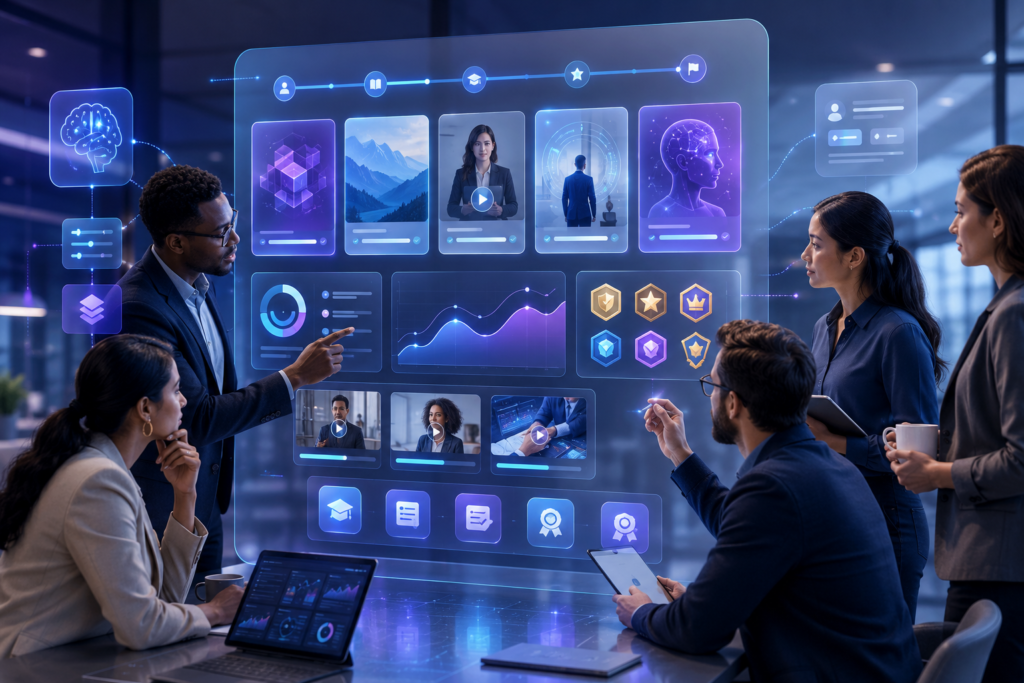

A well-designed learning experience includes:
- Clear learning objectives
- Learner-centric content structure
- Scenario-based activities
- Interactive e-learning modules
- Microlearning videos
- Simulations and assessments
- Gamified learning elements
- Mobile-friendly digital learning assets
- Performance-linked learning outcomes
For corporate L&D teams, this approach ensures that learning is not just consumed, but applied in real workplace situations.
Key Challenges Faced by L&D Teams
1. Identifying Learner Needs
One of the biggest challenges in corporate training is understanding the diverse needs of learners. Employees may differ in experience, role, skill level, language comfort, motivation, and learning preference.

A strong LXD approach begins with learner analysis. This includes identifying learner personas, role expectations, skill gaps, performance challenges, and business outcomes. When training is built around real learner needs, it becomes more relevant and effective.
2. Building a Continuous Learning Culture
Learning cannot remain a one-time event. Organizations need a culture where employees continuously learn, share knowledge, collaborate, and apply new skills.

L&D and HR teams can support this through digital learning platforms, peer learning, mentoring, discussion forums, communities of practice, and structured learning journeys. When learning is connected with performance and growth, employees are more likely to take ownership of their development.
3. Making Learning Learner-Centric
Modern employees prefer learning that is short, relevant, practical, and easy to access. A learner-centric design approach considers prior knowledge, motivation, learning context, job role, and expected performance.

This may include blended learning, virtual training, e-learning modules, microlearning, videos, assessments, social learning, and on-the-job learning activities. The goal is to make learning useful, engaging, and easy to apply.
4. Creating Immersive and Engaging Learning Experiences
Digital learning is most effective when it combines content with interaction. LXD uses multimedia, visual design, storytelling, scenarios, simulations, gamification, videos, assessments, and emerging technologies to create engaging learning experiences.
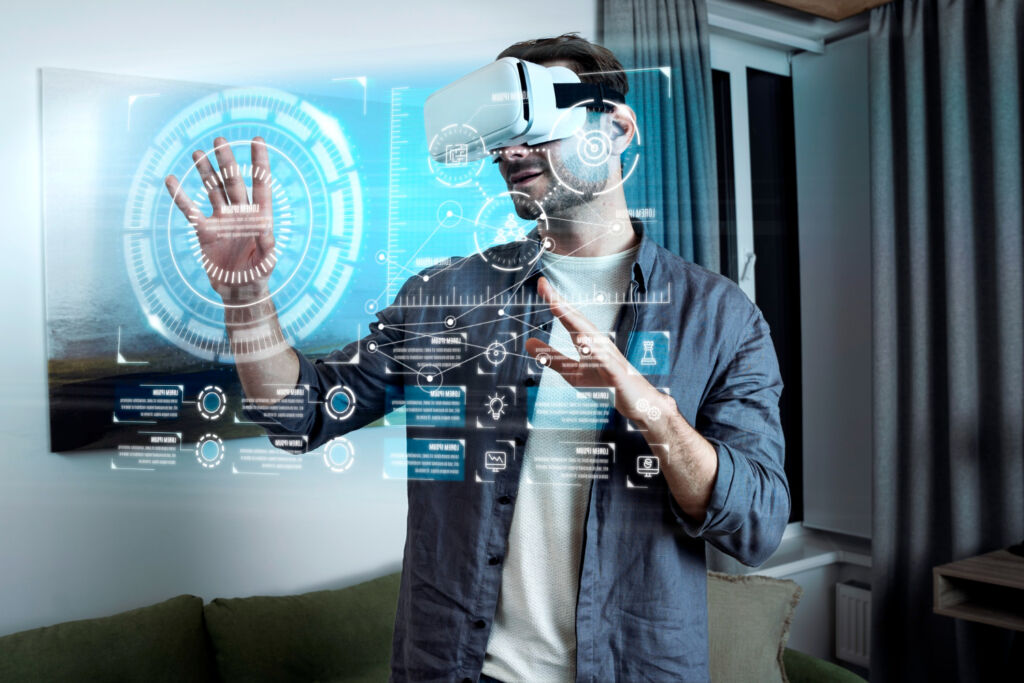
Organizations can use formats such as:
- Interactive e-learning modules
- Microlearning videos
- Scenario-based learning
- Product training videos
- Process simulations
- Compliance learning modules
- AR and VR-based immersive training
- AI-enabled learning experiences
These formats help simplify complex topics and improve knowledge retention.
5. Measuring Learning Outcomes
Training success should not be measured only by course completion. Organizations need to evaluate whether learners understood the content, applied the skills, and improved performance.

Effective learning experience design includes assessments, knowledge checks, feedback mechanisms, learner analytics, engagement metrics, and performance-linked evaluation. This helps L&D teams make data-driven improvements to their training programs.
6. Adapting to Changing Business Needs
Business priorities, technologies, processes, and workforce expectations are constantly changing. L&D teams must be agile enough to update learning content, redesign programs, and introduce new learning formats.
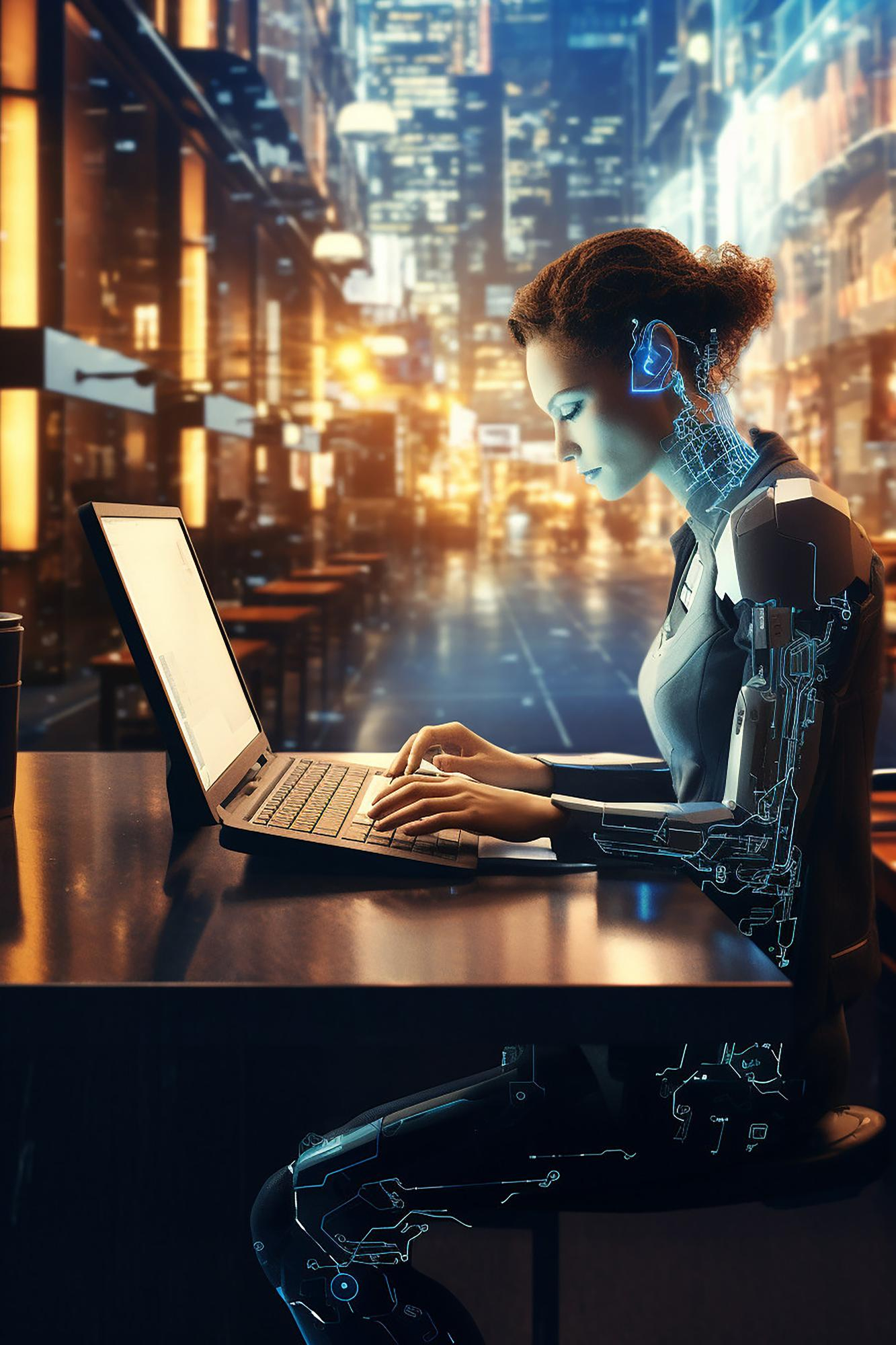
A flexible digital learning strategy allows organizations to quickly respond to new product launches, compliance changes, process updates, leadership development needs, and industry shifts.
Role of Technology in Learning Experience Design
Technology plays a major role in creating scalable and engaging learning experiences. Today, organizations are using tools and platforms such as:
- Learning Management Systems
- Mobile learning platforms
- AI-powered content development tools
- AR and VR-based learning
- Interactive videos
- 2D and 3D animation
- Motion graphics
- Chatbots and virtual assistants
- Learning analytics dashboards
- Multilingual digital learning content
Artificial Intelligence, Augmented Reality, Virtual Reality, IoT, 5G, and data analytics are changing the way organizations design and deliver training. These technologies help create personalized, immersive, and performance-driven learning experiences.
How Knowledge Horizon Helps Organizations
Knowledge Horizon supports L&D teams, HR departments, and business leaders in designing and developing customized digital learning solutions that are aligned with organizational goals.
Our services include:
- Learning experience design
- Instructional design and storyboarding
- Custom e-learning development
- Microlearning video development
- Scenario-based learning modules
- Product and process training content
- Compliance training modules
- Virtual induction and onboarding programs
- Assessments and knowledge checks
- SCORM/HTML5-ready course development
- Multilingual digital learning content
- AI-powered learning content development
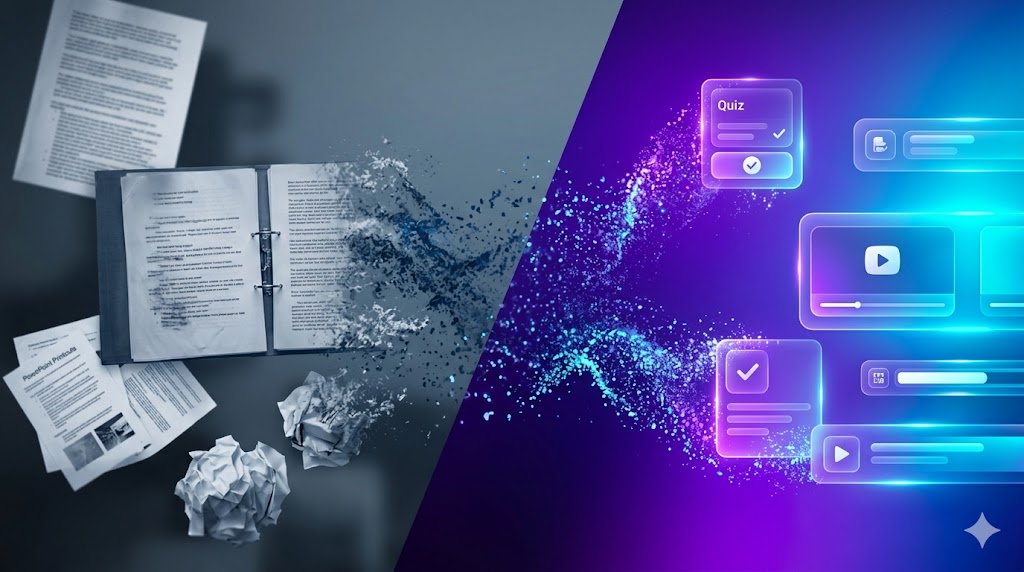
We combine instructional design expertise, creative visual design, multimedia production, and modern learning technologies to convert complex training content into clear, engaging, and outcome-driven digital learning experiences.
Conclusion
Learning Experience Design is no longer optional for organizations that want to build future-ready teams. It helps L&D and HR departments move beyond traditional training and create meaningful learning journeys that improve employee capability, engagement, productivity, and business performance.
By understanding learner needs, using the right instructional strategies, adopting emerging technologies, and measuring outcomes, organizations can create learning experiences that truly make an impact.
Knowledge Horizon partners with organizations to design and develop customized digital learning solutions that are engaging, scalable, measurable, and aligned with business goals.